
After all, the heart is not a servant, not inclined to submission
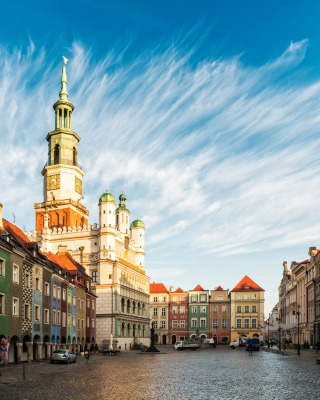
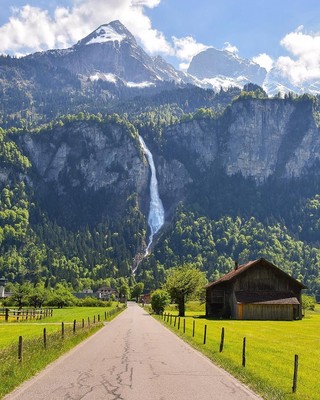
Poland is an excellent country for family holidays with children. Imagine only – picturesque nature, high forests and calm lakes, a huge number of healing places – from mineral springs to sanatoriums equipped with the latest technology, soft sandy shores, cozy streets of cities. Now you understand why holidays in Poland are so popular among tourists from various countries. A separate plus of trips to this country will be their cost – compared to most European countries, Poland boasts rather low vacation prices.
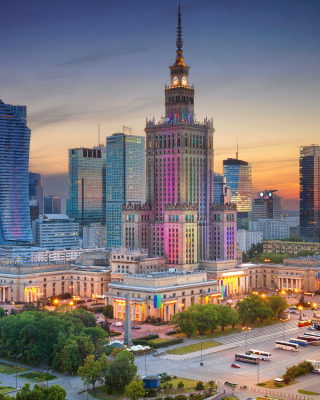
In no case miss your opportunity to visit the largest and most accurate historical restoration (according to UNESCO) – namely, the capital of Poland, Warsaw. You did not hear – almost the entire city is a copy of pre-war Warsaw. After the fascist bombing, almost nothing remained of the cultural heritage of the city, but the hardworking Poles restored most of the buildings after the end of the war.
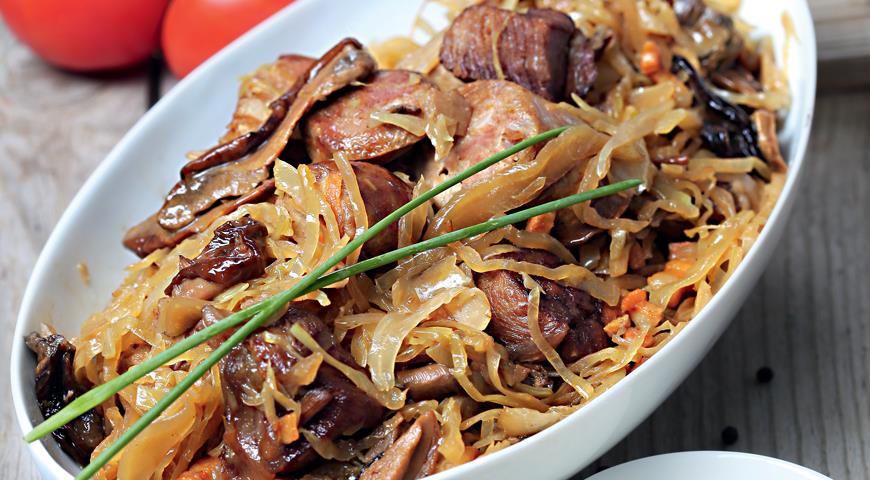
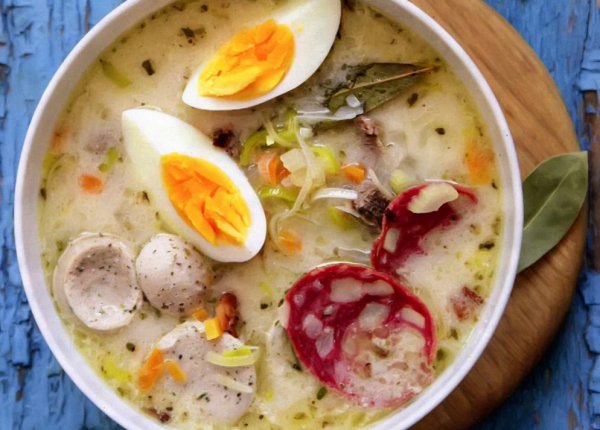
White borsch
White borsch is a traditional Polish borsch, which, however, does not contain cabbage or beets. It is prepared on a starter from rye flour, potatoes and sometimes sour cream are added. There is nothing similar in Russian cuisine. It’s worth a try. By the way, white borsch takes off a hangover well.
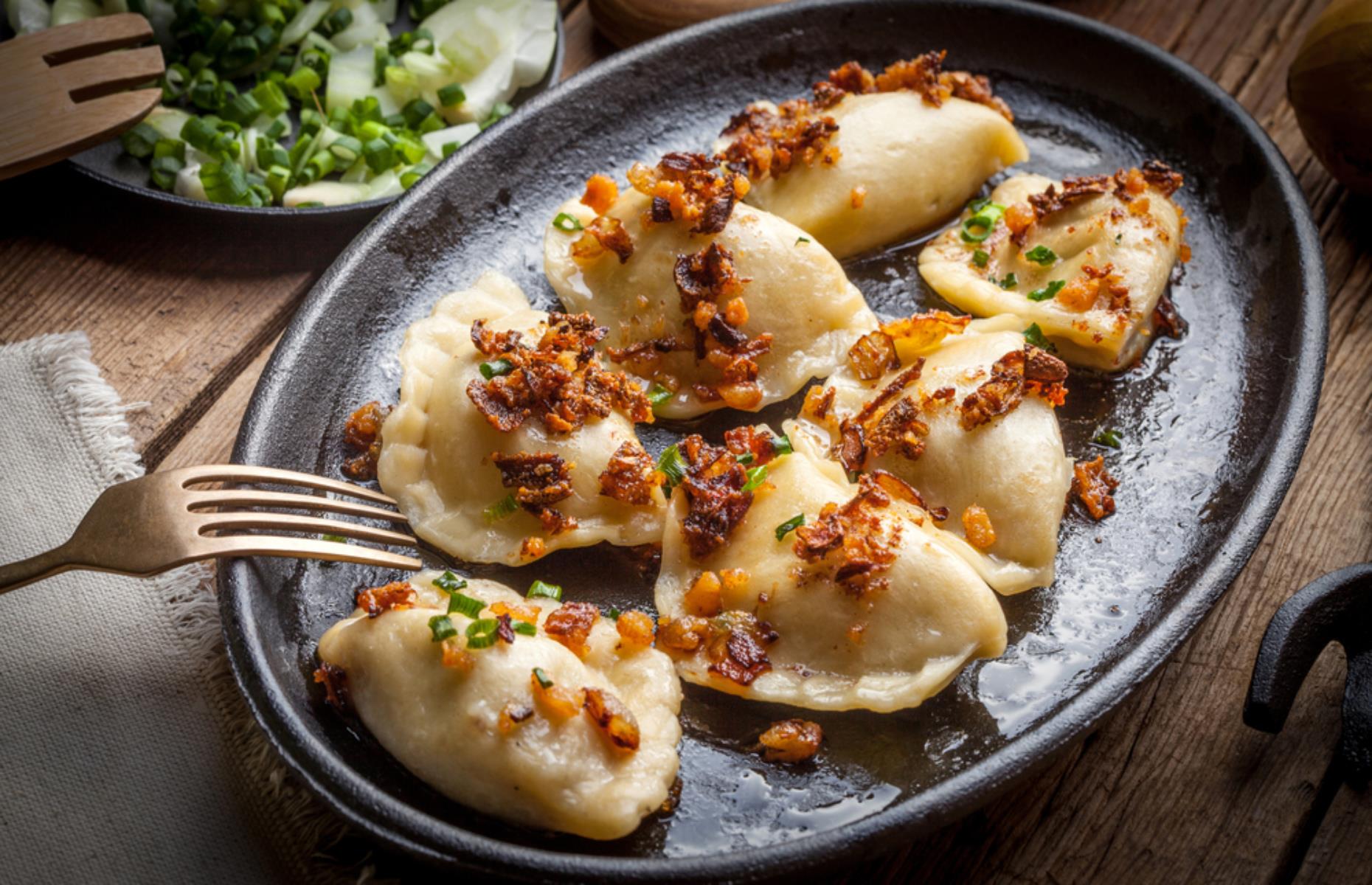
Perogi
Perogi – Pierogi are stuffed with a wide variety of fillings: cabbage, mushrooms, meat, berries, etc. The most popular Perogi are Russian (with potatoes and cottage cheese).
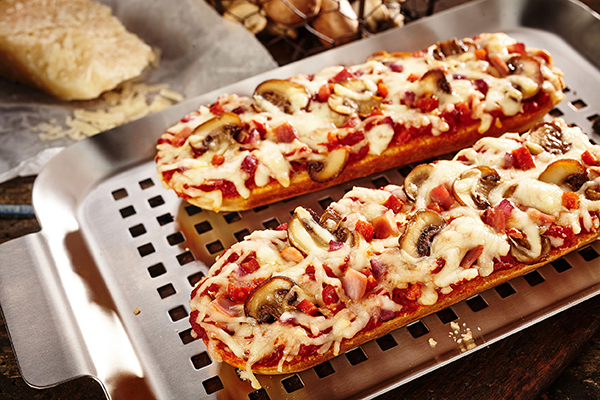
Casserole
Casserole is fast food in Polish: a long bun baked with onions, mushrooms and cheese. Polish casserole looks like sandwiches from the Subway chain.

Zubrowka
Zubrowka – the famous Polish vodka, which insists on the stems of the grass of zubrowka from Belovezhskaya Pushcha, which is eaten by bison. It was invented in Poland back in the 16th century, and by the 18th it had become the favorite drink of the Polish nobility and peasants. The fragrant glycoside coumarin present in the zubrowka gives vodka a characteristic aroma and a tolerant taste and promotes appetite and better digestion of food. .
Perhaps the most popular gift from Poland is now local alcohol, because it does not need to spend time and money on its search. Among Polish alcoholic beverages, two of the most “running” ones can be noted – this is vodka “zubrovka” and liquor “goldwasser.” Zubrovka is vodka, which insists on the stems of the same name grass from Belovezhskaya Pushcha, which serves as food for bison. As for the “goldwasser,” this drink is classified as elite. The history of its creation is rich and curious. The liquor owes its name to the Catalan doctor Arnaldo de Vilanova, who in the thirteenth century cured the Pope of a serious illness with an elixir containing gold particles. The homeland of the drink is considered to be Gdansk. The unique recipe for cooking liquor has been kept a strict secret and has been transmitted from generation to generation for four hundred years. To create its unique taste, more than twenty types of herbs are mixed, including juniper, lavender, cinnamon, coriander, cloves, cardamom, etc. Liquor has no color, flavored with anise and cumin, and its most important feature is that in memory of Vilanov, real particles of gold are added to it.
Hard smoked sheep cheese, which is made by gurali, people living in southern Poland, northern Slovakia and the Czech Republic. The first mention of the production of oscypek dates back to the fifteenth century. Nowadays, traditional oscypek are sold in all stores in the Zakopane region and at fairs in large cities of Poland. The cheese is really tasty, with a long shelf life, which is convenient for transportation.
In southwestern Poland, the center of the country for the production of ceramics is located in the city of Bolesławiec. The development of pottery was made possible thanks to huge deposits of clay. The choice of the customer is provided with table services, jugs and vases, candlesticks, baking moulds and much more. During manufacture, the dishes are fired at a high temperature, which makes them functional and durable, convenient for everyday use. These souvenirs will be a wonderful gift for relatives and friends, or help decorate your own cuisine.
You can not visit Poland and not bring from there the famous Krakow sausage or something from meat products. Krakow sausage is one of the most popular Polish sausages known throughout the world, the recipe of which has not changed since the sixteenth century. Another famous Polish product is considered “kabanos” – long thin smoked sausages, which owe their appearance to Polish peasants. Unlike other sausages, they are eaten for nothing or as a beer snack. They do not require storage in the refrigerator.
Gural slippers, which are made in southern Poland in the Zakopane region, are also popular. They are made exclusively of one hundred percent sheep’s wool, and some models are decorated with embroidery. In the cold season, they will be a real find that will help you keep warm. They will be great as a gift for loved ones.
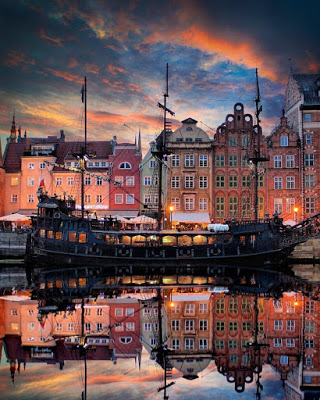
Various types of amber can be found in many countries of the world, but perhaps nowhere is it in such quantity as on the coast of the Baltic Sea. For several centuries, Gdansk has been the world’s amber capital. It was here that the amber path took place, and it was the locals who played an important role in creating the famous amber room, which historians and treasurers still cannot find.


1000
years
69
place
1275
г.
24.26
years
149
m.
Export
Poland is the largest amber exporter in the world. Since ancient times, the country has been famous for its amber, which for more than 1000 years was transported along the Amber Route from the Baltic Sea to the Adriatic coast. Gdansk, a city in northern Poland, is a great place for amber shopping.
Area
By area, Poland ranks 69th in the world and 9th in Europe
The oldest restaurant in Europe
Piwnica Świdnicka in Wroclaw is the oldest restaurant in Europe. He has been working since 1275.
Marriage
It is believed that compared to other Europeans, Poles are most likely to enter into a legal marriage. The average age of Polish brides is 24 years, and grooms – 26 years. On average, Polish newlyweds are 7 years younger than Swedish. So, if you plan to get a family early, go to Poland.
Kubusia Puchatka Street
In Warsaw there is a street named after Winnie the Pooh – Kubusia Puchatka Street. The street has a length of 149 m.